 University of North Texas

Joy Straley
Planting a Seed:
Joy Straley's Time in Kabile, Ghana (2015-2017)
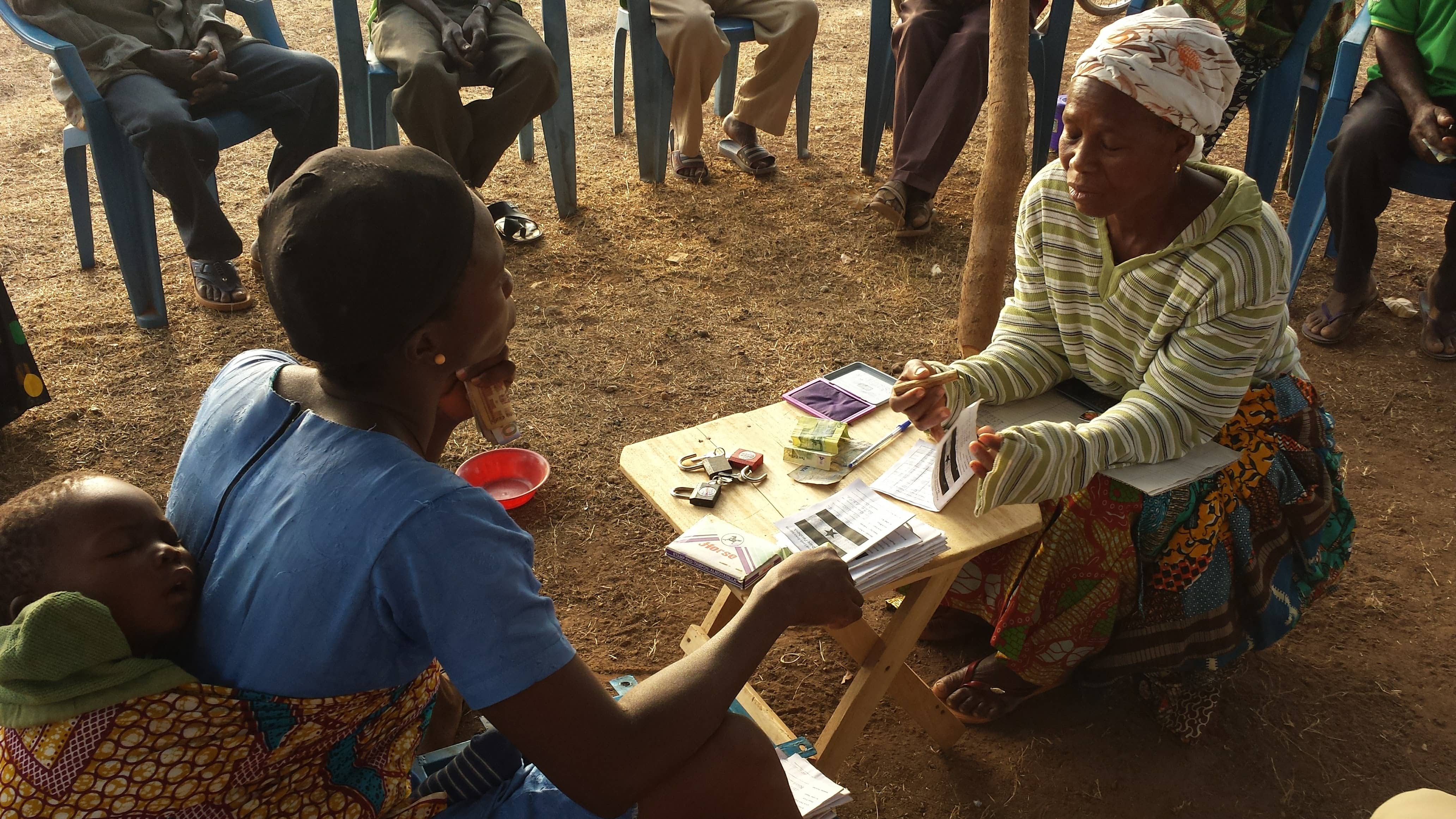
Joy remembers her time in Peace Corps fondly, noting the impacts she was able to make
on the local community.
While waiting for her friends to join her for lunch, Joy Straley sat bored, biding her time. She grabbed a random magazine to occupy her mind, flipped through the pages and an article caught her eye. It featured a picture of a bright green tree sprinkled with yellow fruit called a moringa tree.
It was one she knew. Her mother cooked with it as part of her Filipino roots.
The article explained a recent experiment that allowed the nomadic Maasai tribe from Tanzania to purify water using the seeds of the tree. Joy knew that the moringa leaves have great nourishing benefits, but she was surprised to learn about its other incredible properties.
She shut the magazine and stored that information away.
Soon after, Joy was awarded a summer internship through the National Science Foundation for Undergraduate Research in Anthropology. On the first day of work, she was put on the spot to name her personal research project. Thinking she wouldn’t have to have an idea yet, Joy anxiously scavenged her brain.
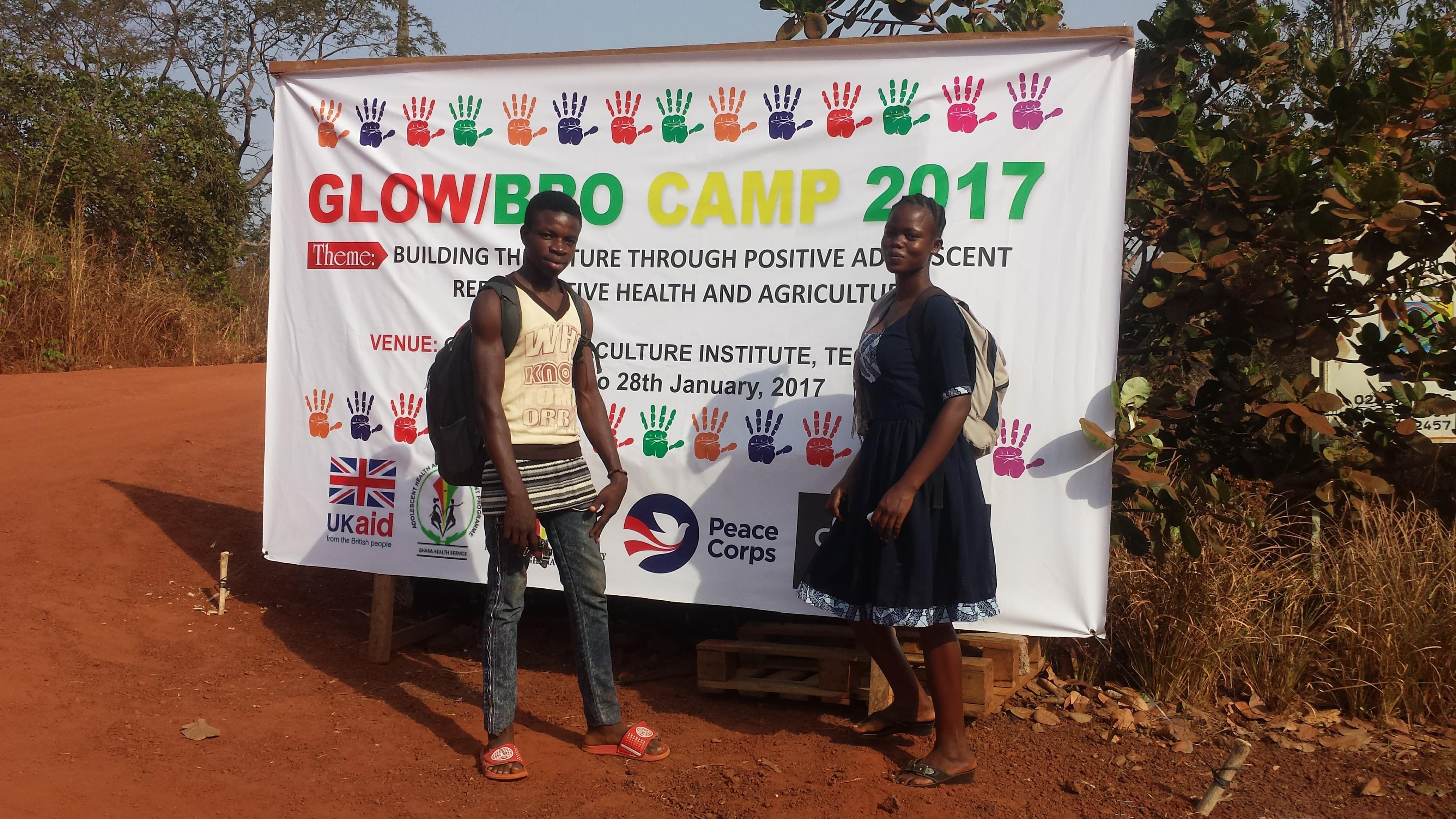
Peace Corps Volunteers host many different programs and events to serve the needs
of the community.
“My project is going to be on the moringa tree,” Joy said, when her turn came. “And what cultures in the world recognize its properties on water purification.”
In her now published research, she learned that very few nations knew about the tree’s water purification qualities, and she was excited to know that this knowledge could benefit many of the countries that grow moringa.
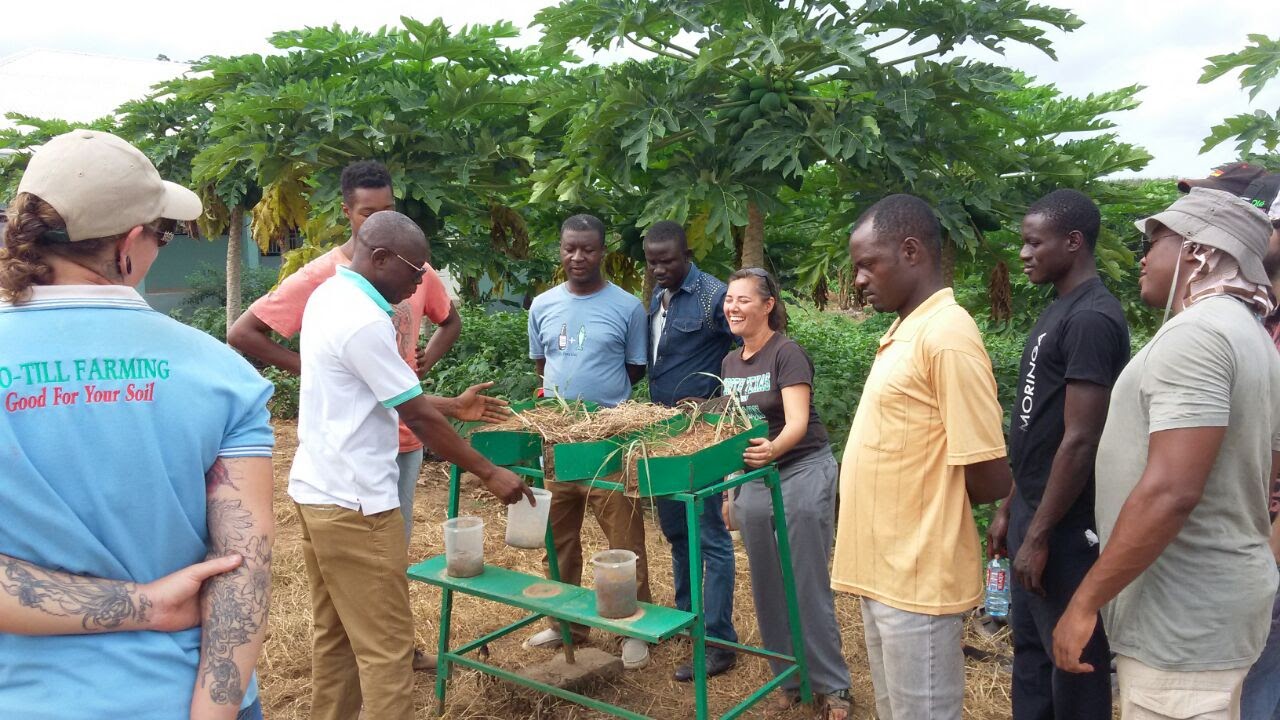
Joy Straley worked with locals on agriculture projects that benefitted the entire
community.
Joy worked at an aquatic toxicology laboratory after earning her Bachelor of Science in Geography from UNT. It had been her life goal since high school to serve in the Peace Corps, so she began to apply as she completed her degree.
“My first memory of even hearing about Peace Corps was in the movie Dirty Dancing,” Joy said.
However, the complicated application process discouraged her, so she continued to work at the laboratory for five years. At that point, Joy had joined a group of local professionals that allowed her to listen to presentations from various businesses.
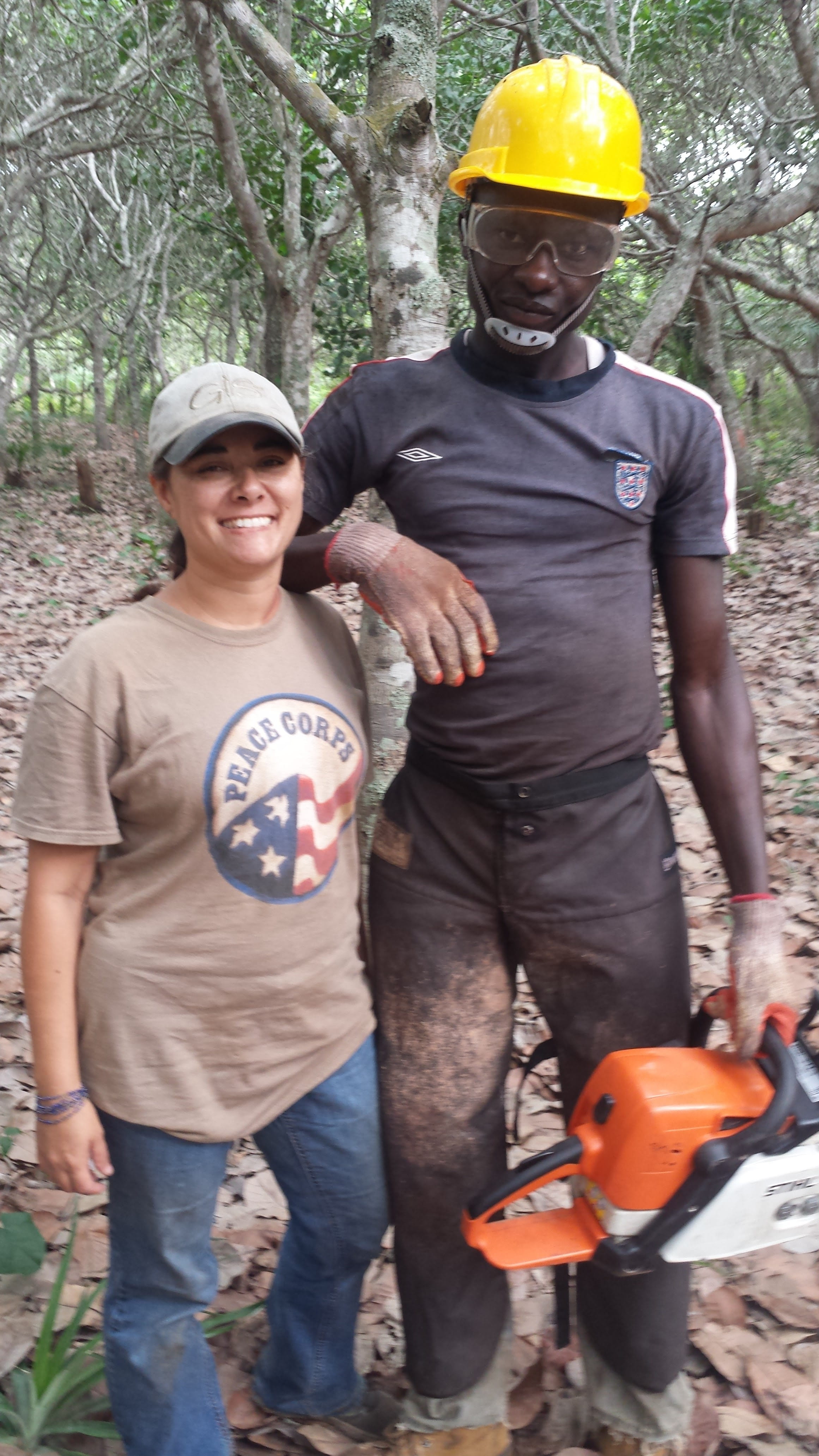
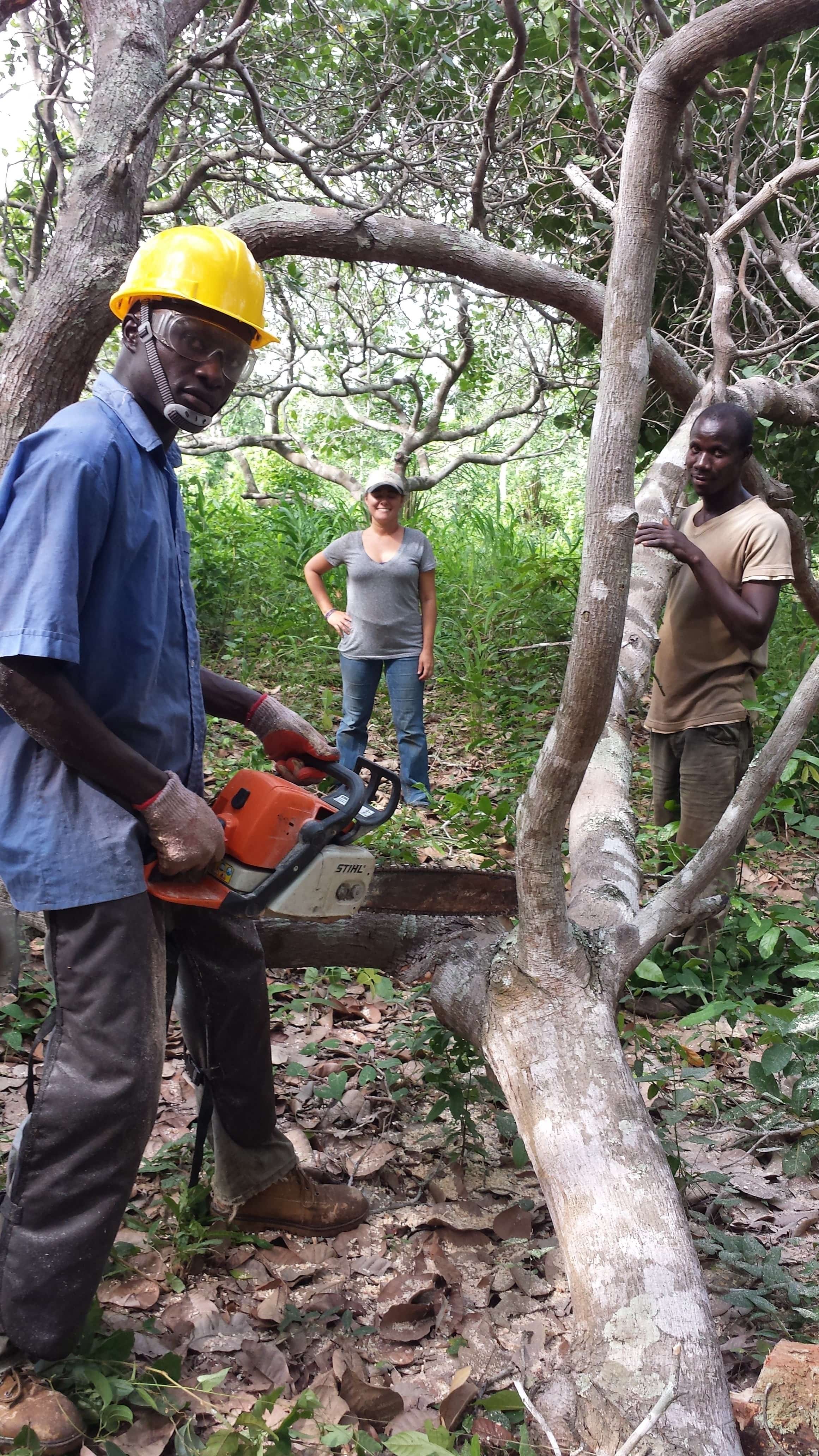
Joy Straley and a Host County National use a chainsaw as part of the Chainsaw Thinning
and Pruning partnership with Red River Foods.
One day, she listened as a company that revamps websites presented their work, and, on a slide of all the companies they worked for, one stuck out to Joy: Peace Corps.
The website she found so confusing the first time she visited was recently made brand new.
Joy raced home to fill out an application.
“The process took maybe an hour and half,” Joy recalled.
As she scrolled through the list of countries to make a list of places she was considering, Joy saw a familiar plant in one country’s description. Once again, the moringa tree drew her in.
She placed Ghana at the top of her list, and was invited to serve in the village of Kabile in the Brong Ahafo region of Ghana.
Although her host community did not focus on the moringa tree, Joy was able to plant a few of her own and even take some students on a field trip to a moringa orchard. For the most part, she focused on other cash crops.
“It didn’t matter what you want,” Joy said. “It has everything to do with what the village needs.”
Joy worked in the Agricultural Sector of the Peace Corps and primarily focused on cashew trees. She used her geography knowledge and Corps training to help farmers increase their crop yields. In the spirit of sustainability, she created laminated profiles for many of the farmers documenting their acreage, crops and allocation of space.

Joy had the opportunity to travel all around Ghana, including to the beach via horseback.
Joy and other Peace Corps volunteers fostered a partnership with Red River Foods for a chainsaw thinning and pruning program. This allowed them to practice corporate social responsibility through helping farmers learn to handle equipment and graft cashew seedlings among other trainings. Building corporate social responsibility helped boost Joy’s resume upon her return to the U.S.. Joy also mentioned that volunteers can extend their service for a third year with a partner organization in the host country.
Speaking to many farmers, she emphasized diversifying crops and spacing out plants for more abundant and efficient growth. She also initiated communication between farmers to stabilize the market price of crops and encourage savings and micro-loans.
“I hit the ground running, dude,” Joy said. “I did a lot of stuff.”
She established the construction of a library and volunteered with a co-ed camp that taught children profitable life skills.
Joy used her Peace Corps resources, undergraduate research experience, and knowledge
from working in an aquatic toxicology lab to benefit the locals in Ghana.
“They could all just gel with each other and learn things that could help them earn money, crafty things like, jewelry making or boutiquing or fabrics,” Joy said.
Joy was 27 years old when she applied to serve, and she found that, in Ghana, her age made it easier to get projects accomplished because the community members respected her wisdom.
“Another thing that Ghanaians are really receptive to is humor,” Joy said. “They’re hilarious.”
Joy laughs when she thinks about the nickname many of the Ghanaians gave her: Joy Daddy Bitters, a popular alcoholic beverage in Ghana. She knew that they couldn’t forget her name because they laughed every time they said it.
Joy says the hardest part of service was leaving. She still talks to many of her Ghanaian friends, like Mamma Mary, who was her landlord during service. She plans to visit them soon with her family.
Additionally, Joy was recently invited to serve again in Fiji, so Peace Corps is still large part of her life. Joy also plans on applying to work with the foreign agricultural service because planting seeds around the world is just what she lives for.
Interested in hearing more about Joy's time in Peace Corps Ghana? You can reach out to her here.
Written and Edited by Eliana Fulton, B.A. Journalism Student at UNT
Interviewed by Zach Yeager, Peace Corps Prep Coordinator