- CalvinSimsUndergraduate AdvisorSenior LecturerPsychologyFacultyCalvin.Sims@unt.edu
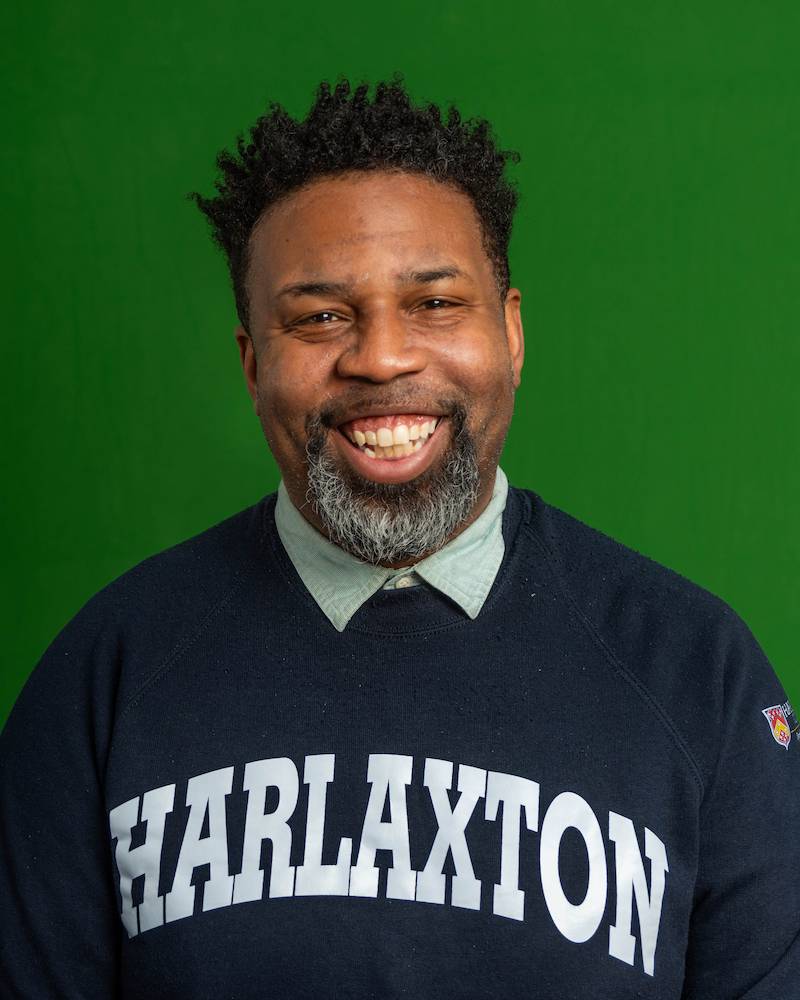 Office: Terrill Hall-370FacultyPsychology
UNT Faculty Profile:
Calvin Sims
PhD: North Carolina State University, 2019
Hi Everyone, I'm Dr. Sims. I'm a student focused professor who loves to teach the applicability of Psychology into our everyday lives. Psychology is an amazing science and it's my hope and my goal to make it as incredible to you as it has always been to me. Since my first intro class way back when, I've always loved the field and I hope that when we part ways you love it just a little more than when we met. Outside of the classroom, I am an avid comic book reader, world traveler and hapless fan of the perennial ne'er do well Houston Texans. Feel free to stop by my office anytime for discussion about classes, advice about attending or remaining in graduate school, recommendation letter requests and guidance for what to do after your time at UNT comes to a close.
I've had a rather unorthodox path to get here at UNT so I think I understand the twists and turns that you are likely to encounter on your way as you pursue your degree. Many of you have questions about how to be successful at UNT. Others of you are seeking success even beyond that. I'm easily approachable so don't hesitate to send me a message and we can always set up a meeting to discuss how best to make the future work for you.
As far as my teaching goes, I tend to be loud, sometimes funny but always understanding and compassionate. The material works best when we can get it off the textbook and into your real lives as you live them. Expect me to be highly engaged and highly invested in your success at UNT!
Research Interests: Teacher perceptions of students' misbehaviors, Effect of Obesity on depression in adolescents, Use of mindfulness in the classroom, Effectiveness of educational apps for instruction and learning.
Dr. Sims does not take students for Admissions Cycles.
Office: Terrill Hall-370FacultyPsychology
UNT Faculty Profile:
Calvin Sims
PhD: North Carolina State University, 2019
Hi Everyone, I'm Dr. Sims. I'm a student focused professor who loves to teach the applicability of Psychology into our everyday lives. Psychology is an amazing science and it's my hope and my goal to make it as incredible to you as it has always been to me. Since my first intro class way back when, I've always loved the field and I hope that when we part ways you love it just a little more than when we met. Outside of the classroom, I am an avid comic book reader, world traveler and hapless fan of the perennial ne'er do well Houston Texans. Feel free to stop by my office anytime for discussion about classes, advice about attending or remaining in graduate school, recommendation letter requests and guidance for what to do after your time at UNT comes to a close.
I've had a rather unorthodox path to get here at UNT so I think I understand the twists and turns that you are likely to encounter on your way as you pursue your degree. Many of you have questions about how to be successful at UNT. Others of you are seeking success even beyond that. I'm easily approachable so don't hesitate to send me a message and we can always set up a meeting to discuss how best to make the future work for you.
As far as my teaching goes, I tend to be loud, sometimes funny but always understanding and compassionate. The material works best when we can get it off the textbook and into your real lives as you live them. Expect me to be highly engaged and highly invested in your success at UNT!
Research Interests: Teacher perceptions of students' misbehaviors, Effect of Obesity on depression in adolescents, Use of mindfulness in the classroom, Effectiveness of educational apps for instruction and learning.
Dr. Sims does not take students for Admissions Cycles.