University of North Texas

What happens when a pair of ranchers one day decides to turn their entire ranch into a farm animal sanctuary? What if they have two hundred and twenty head of cattle, including three bulls, not to mention donkeys, horses, chickens, turkeys, guineafowl, peafowl, dogs, cats, and parrots? What if they still need to pay their staff and buy resources to care for these animals, but now without the revenue that the ranch once brought in? This is exactly the situation between Neal Stover and Sue McRae Stover, one-time ranchers and now stewards at DeussenDale Ranch Sanctuary.
In the interview below, we sit down with Neal to hear the history of the land, the ranch, and the sanctuary. It is a fascinating lens on the hypothetical question: What if the world went vegan overnight? Namely, would happen to all those millions of animals now "saved"? According to 2022 USDA data, US factory farms alone house at least 1.7 billion animals, and that number continues to rise. The experiences of Neal and Sue speak to the scale of the farming and ranching industry as well as the power of compassion in enacting seemingly impossible changes.
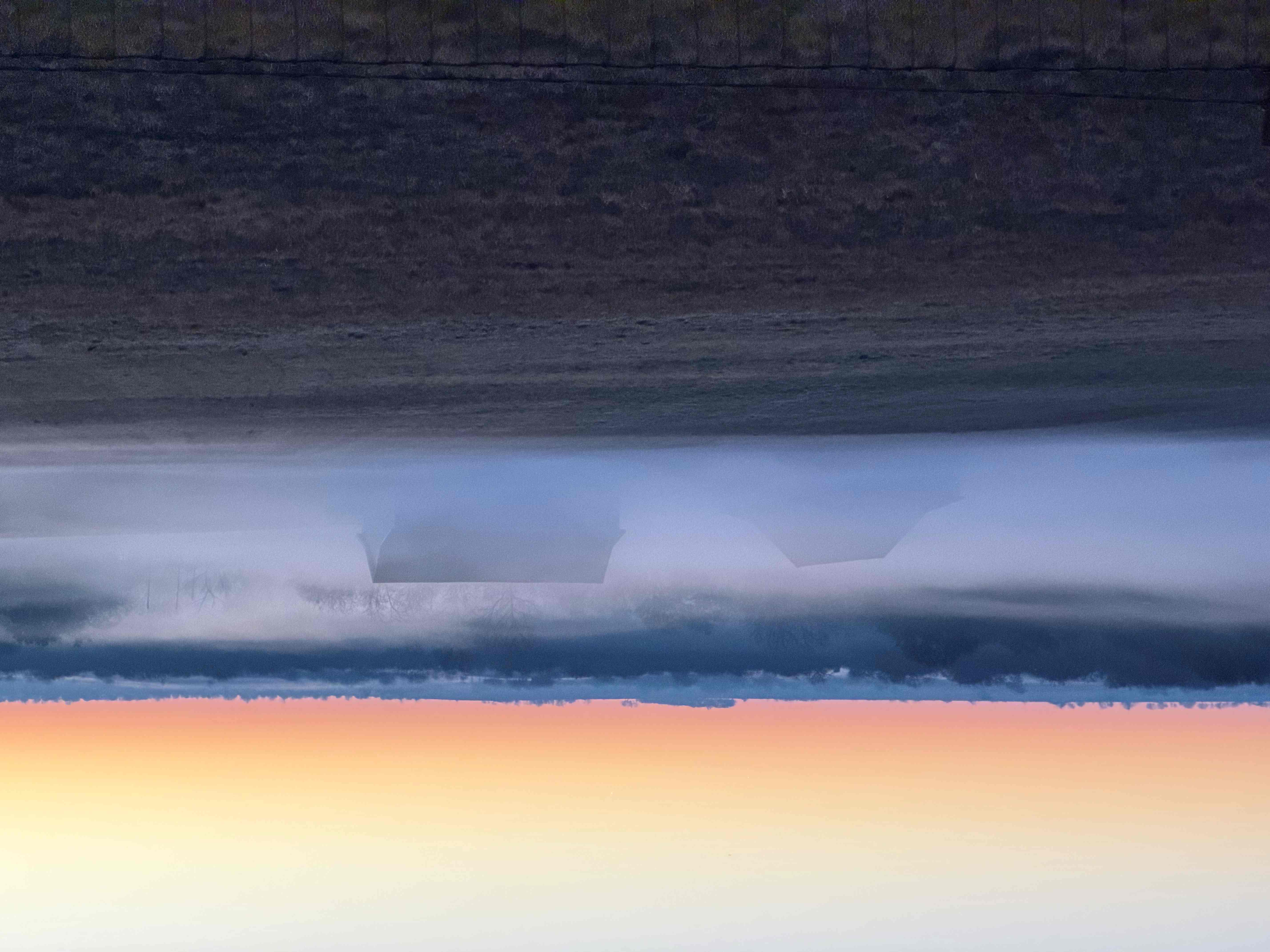
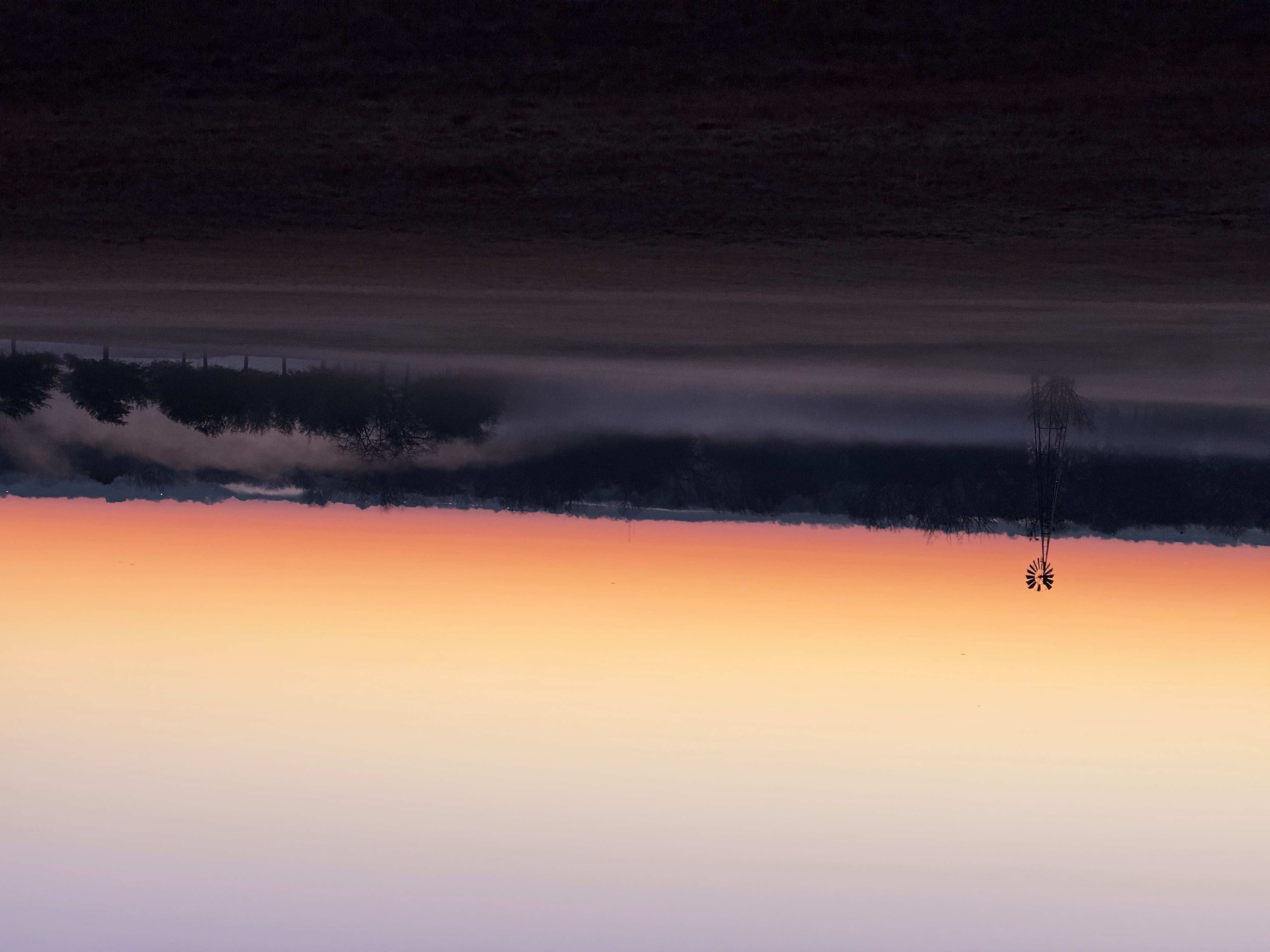 DeussenDale Ranch Sanctuary at sunrise
The interview was conducted by Leah Kalmanson for the Bhagwan Adinath Animal Humanities Initiative in collaboration with the UNT Oral History Program. It has been edited for length and clarity. All photos courtesy of Neal Stover.
Leah Kalmanson: I'm Leah Kalmanson with the UNT Jain Studies Animal Humanity Initiative, supported by the Oral History Program at UNT. And we have Neal Stover here to talk to today. Neal, again, thanks so much for joining me! Ever since I found out from Sue [McRae Stover] that you have an animal sanctuary here in the area, I've been really excited to hear more about it. I thought we could start with basic introductions—where you're based, your background, anything else you'd like to share here at the start.
Editor’s note: Sue McRae Stover is a PhD candidate in Philosophy and Religion at UNT.
 Neal Stover: We are based in Ponder, Texas. We’re actually 7 miles west of Ponder. And, as you
may hear in the background, we're an animal sanctuary. Animals are dear and special
and precious to us. We love them, and we take great care of them. Darius Rooster is
in this room next door to us, and he's very special. It was a very cold January day,
and Sue and I were out in the chicken yard. We found him in the ice and snow and barely
moving, as he had been beaten up. So, we rescued him from our own flock, from our
own herd. Today, several years later, he’s got a little bit of a limp, and he has
special needs, so he needs special attention. That's why he's in the house. And when
he notices that somebody is on a Zoom call, that's he starts crowing and crowing,
saying, “I'm here! I'm here!”
Neal Stover: We are based in Ponder, Texas. We’re actually 7 miles west of Ponder. And, as you
may hear in the background, we're an animal sanctuary. Animals are dear and special
and precious to us. We love them, and we take great care of them. Darius Rooster is
in this room next door to us, and he's very special. It was a very cold January day,
and Sue and I were out in the chicken yard. We found him in the ice and snow and barely
moving, as he had been beaten up. So, we rescued him from our own flock, from our
own herd. Today, several years later, he’s got a little bit of a limp, and he has
special needs, so he needs special attention. That's why he's in the house. And when
he notices that somebody is on a Zoom call, that's he starts crowing and crowing,
saying, “I'm here! I'm here!”
So, chickens are a big part of our Sanctuary. We are DeussenDale Ranch, or DeussenDale Farm, now known as DeussenDale Ranch Sanctuary. That’s not official yet, but that's how we refer to ourselves.
I grew up in Houston, Texas. I moved here in July of 2008. My career was in banking, in the trust department of two banks, JPMorgan and Northern Trust, and Sue was a client. Sue's family had their account with us, and I managed the account. Soon after we finally met, she said, “Hey, why don’t you come out to Ponder?” So, eventually she hired me away from the bank to handle her family’s affairs, mainly oil and natural gas. And then, in addition to that, the ranch, the animals, and farm equipment.
A little bit of detail about the ranch: Sue’s passion is chickens and other fowl. So, at one time we had probably 400 or 450 chickens and about 150 to 200 guinea fowl. Currently, we have about 100 peacocks in addition to the chickens. We are re-establishing our chicken flock, which means we have a lot of little baby chicks running around between the ages of 1 month and 2 months. There is nothing as cute as a new little baby chick. This room I'm in at the moment is the office, and Darius Rooster and his 10 babies are in here, too. They roam the office and office bathroom.
Now, I want to say that this is a lot of sacrifice. Time, resources, resources - whether it's money or, you know, where I bathe and shower—as this is the bathroom where I previously showered! We found that this room is a great bathroom for little baby chicks. We turn a heater on in there, and it gets really hot, and I know it's in the summertime. And those little babies, they get right next to the heater. We have an incubator next door. I think I've counted 30 to 35 little baby chicks, and they're a week old, probably 7 to 10 days old. I think they're asleep right now. They are precious and adorable.
This farm, the property, was inherited by Sue’s great-grandmother in the late 1800s. It’s been in the family since before then. She and Sue’s great-grandfather met. She was a student at the University of Texas, and he was a geology professor, and she was taking one of his classes.
LK: Sue’s great-grandmother was a college student? That's going pretty far back for a woman to be in college. That’s pretty great.
NS: That’s right! Exactly. And so, they met at the University of Texas, and he worked in Houston as a geologist and has a lot of awards in the geology field. He passed away, I think, in 1959. The initial acreage was around 300 acres, I understand. And they added to it. And right now, it’s about 1,460 acres.
*Editor’s note: Readers can learn more about the history of the property and the work of Alexander and Sue Deussen (Sue’s great grandparents) at The Portal to Texas History and the Texas State Historical Association.
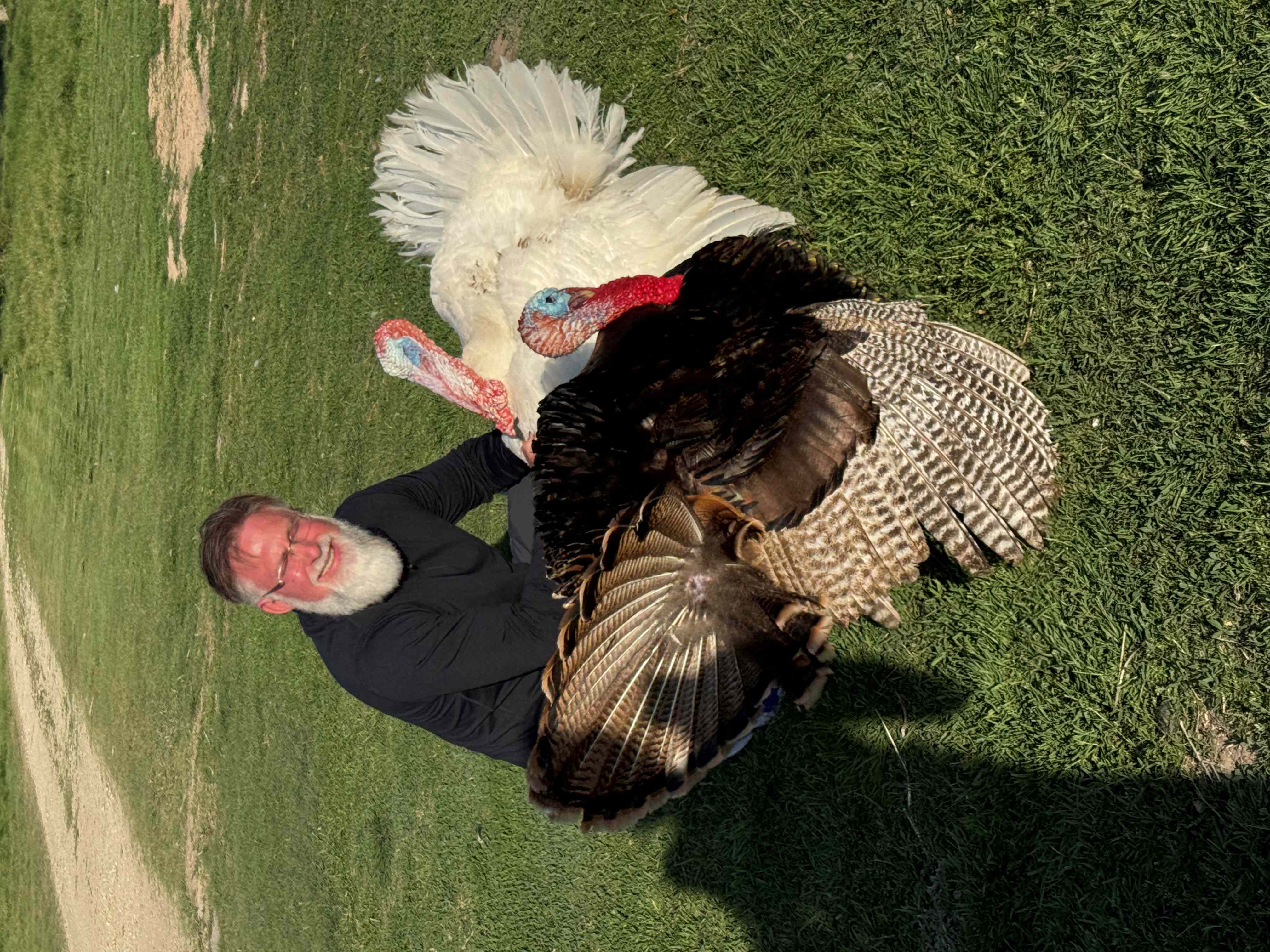
It goes along the Denton Creek. So, there's a lot of wildlife: deer, wild hogs, owls, a huge vulture committee, and all types of birds. In addition to our flock of chickens and guineas, we also have turkeys, and let's see—a little inventory of our own herd—we also have donkeys. We were in search of donkeys, because we have cattle. We have cattle, and if you put a donkey out there and a coyote comes along, the donkey might chase off that coyote. Coyotes can be bad if you have a calf, and the coyote comes and gets the calf.
So, the HSPCA, which is for donkeys in the area, called me one day and said, “Mr. Stover, I understand you’re searching for rescue donkeys. Well, we have some that are on the kill bus on their way to Mexico to be euthanized.” And I said, “Well, bring them on out here.”
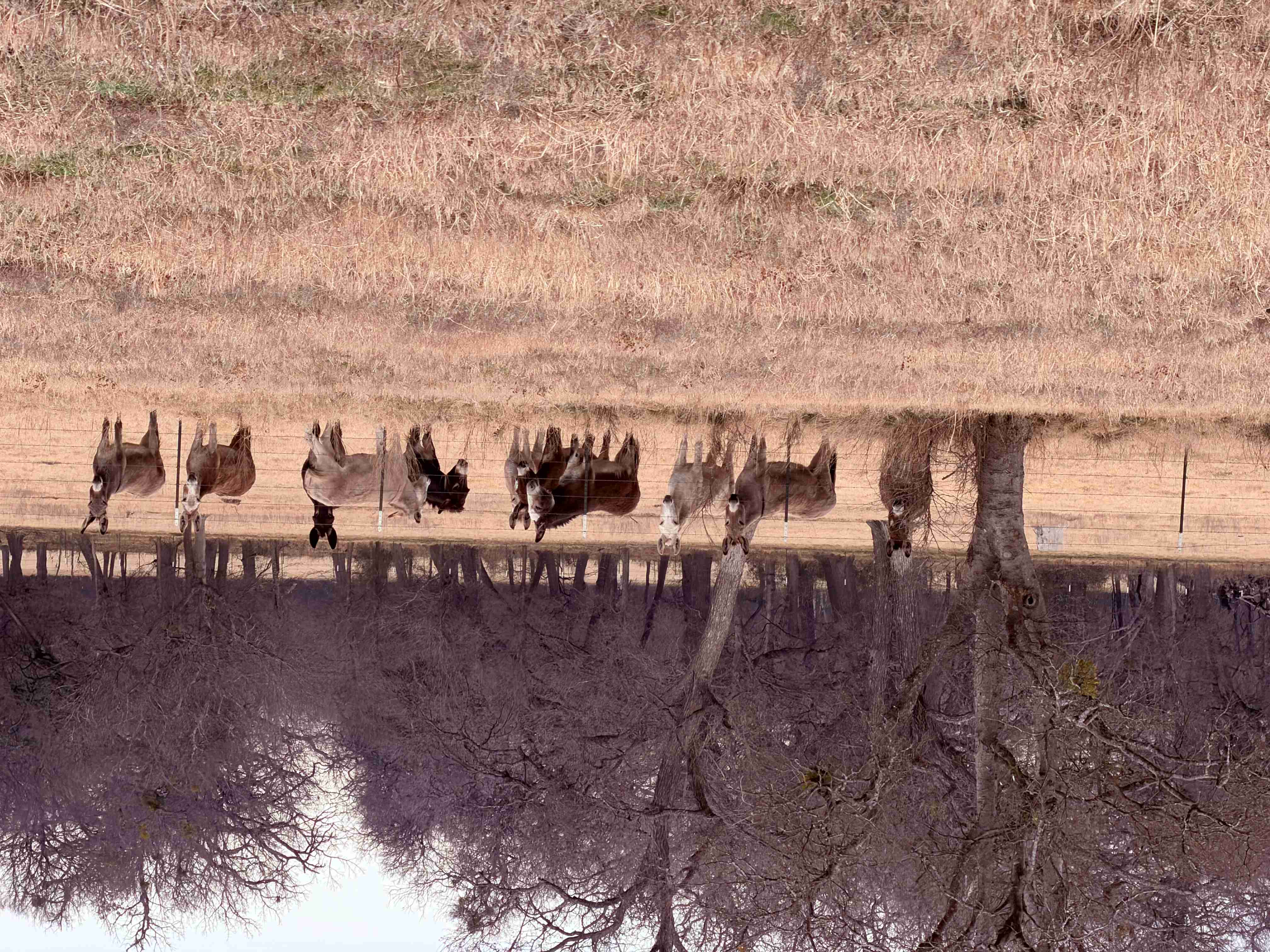
So, they brought, I believe, 12, and I think we had 2 already. So that got us to 14, and then we found 2 additional ones. So, at one time we were at 16, and I think we’re at 15 currently, 15 donkeys.
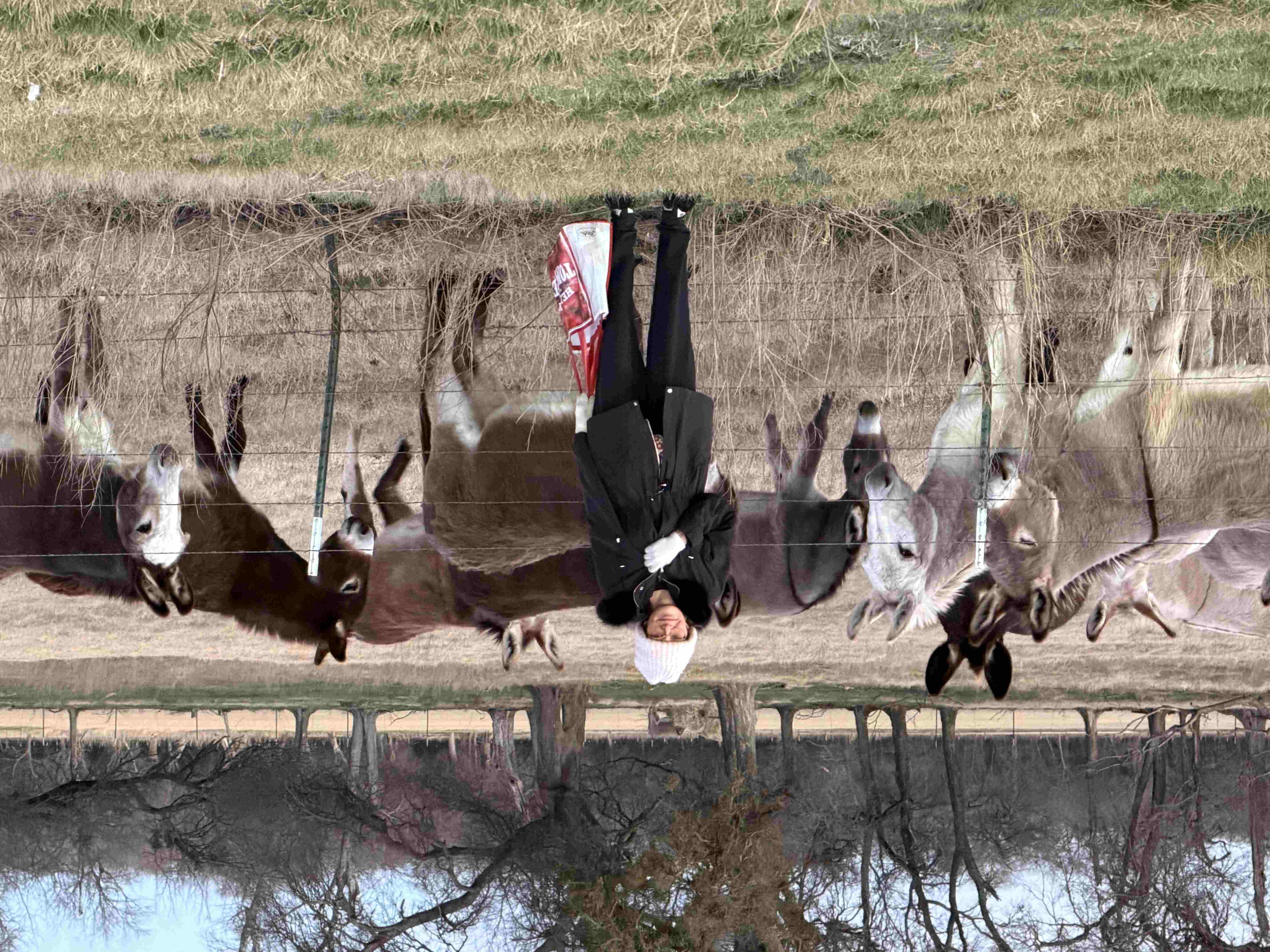 Sue McRae Stover with the donkeys at DeussenDale Ranch Sanctuary
Let me tell you more of the story about the donkeys. These were not well-cared-for donkeys. If you know how a horse’s hoof is kind of flat? It’s like a fingernail on a human. If you don't cut your fingernail, that fingernail is going to grow and grow and grow and curl and curl. So, the donkeys’ hooves were curved up like that. We called the farrier—a farrier is someone who usually does horses and hooves; hoof work... they can put a horseshoe on. We didn't need horseshoes on donkeys, but we needed them to cut and trim their hooves. So that was quite a feat to handle 12 of them at that time. And these donkeys were not tame. We had some big men holding the donkeys down.
LK: Are donkeys herd animals? Do they enjoy being in a large group with each other?
NS: They do. For example, if we were to let a donkey into one of the other pastures down there, eventually it would meander its way back and be with the herd. They don't like to be separated.
In 2008, when I got here, there were 12 horses, but we don't ride. We tried to ride a little bit, but as you mentioned with the donkeys, they are kind of a herd together. With horses—it’s called being “barn sour”. If you get on a horse that’s “barn sour,” and you start riding along a little bit, well, that horse is going to run away [i.e., back towards the barn] if you're not experienced and trained.
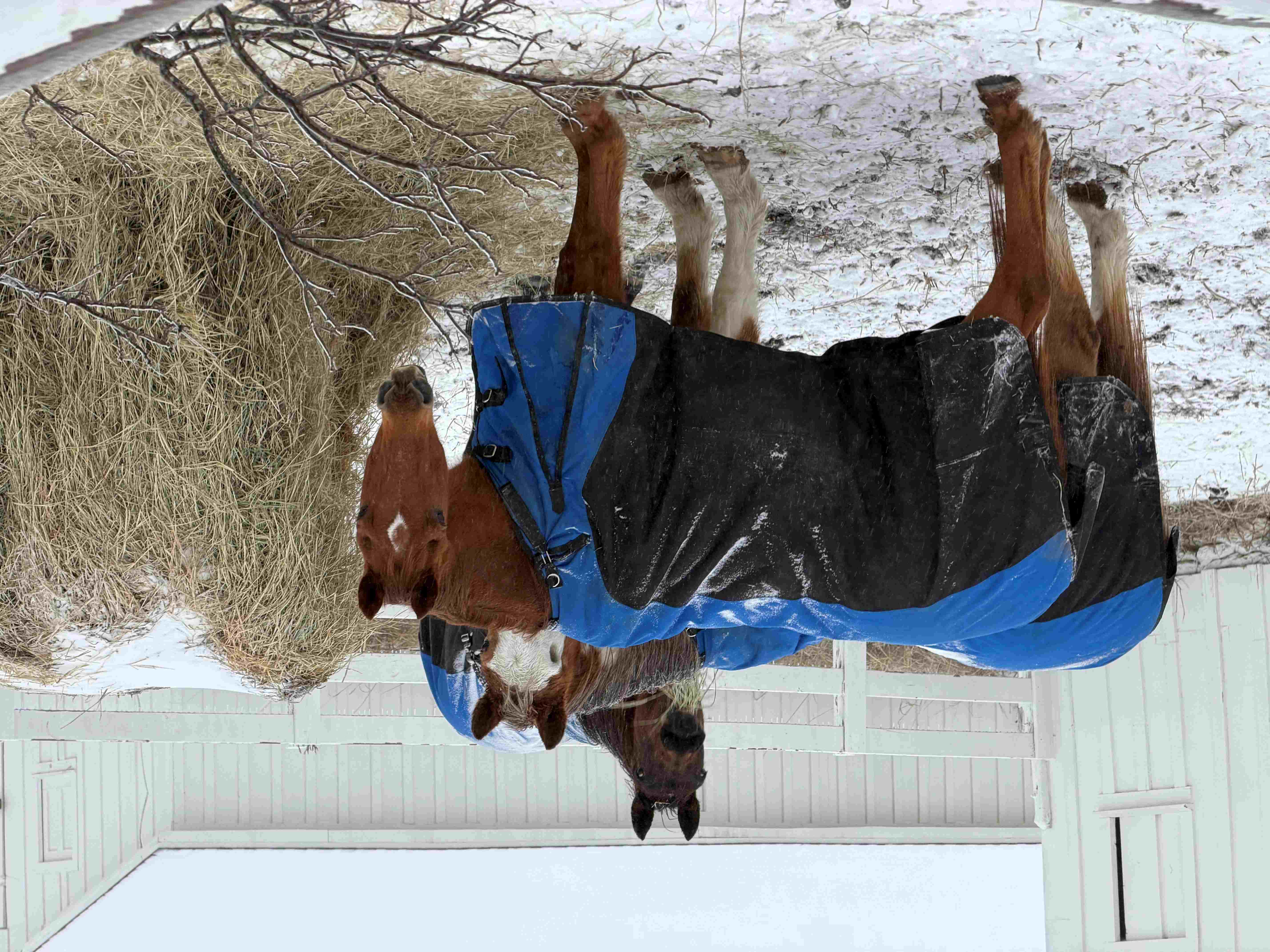
We currently have 3 horses, and they’re kind of, out-to-pasture, rescue-type horses. For example, this gentleman came to us in probably 2009 and said, “I have two horses. They're racehorses. They each have a slight break in their ankles, and we're looking for a place to send them out to pasture.” We said, “Absolutely, bring them on.” So, we accepted those mares. Eventually, one of them passed away—the older mare, Gold Peel—it was a mother-daughter combination. The daughter is still alive with us, Zilla Peel.
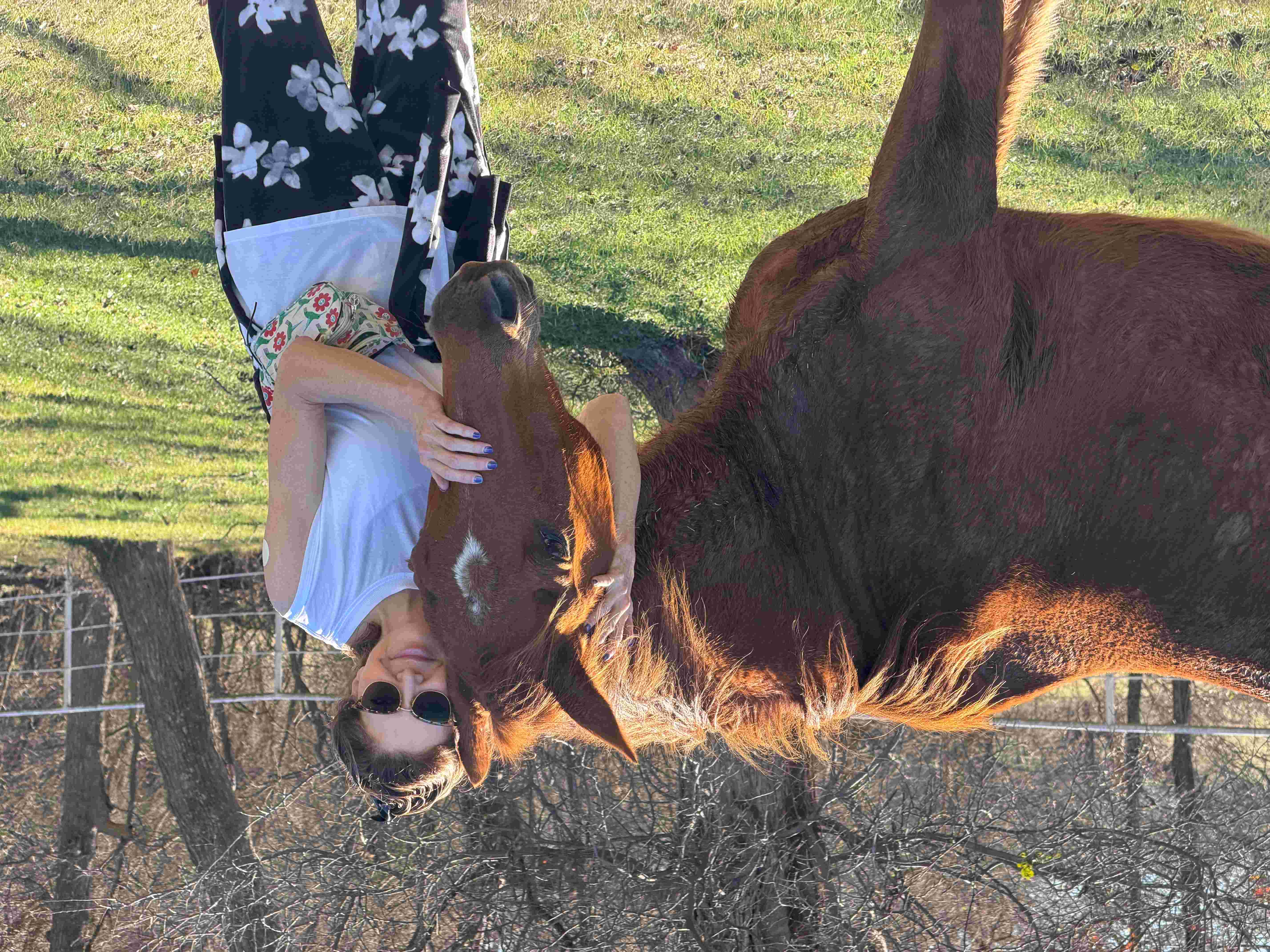
[Regarding caring for the animals] for the livestock, we need grass. As you know, we've had three bad droughts in the past four or five years. And that just increases the stress level. And that's where the passion and the sacrifice come in. We need to fertilize the grass from time to time and keep up with it. We produce hay. We produce anywhere from 150 to 600 large round bales a year. And it just depends on our needs. We’re bailing right now as we speak.
In 2012, we improved some pastures. Previously, we had leased the grazing rights to somebody who used it for wheat. But we put it in Tifton 85, which is a hybrid Bermuda grass. It grows faster, produces more protein for the livestock and the animals, and it makes a horse-quality hay.
LK: Do your cattle get the horse-quality hay? Is that what everyone eats at the sanctuary?
NS: Yes, that's what we get. And we feed them in the wintertime usually. Which gives them ample protein.
LK: How many cattle do you have?
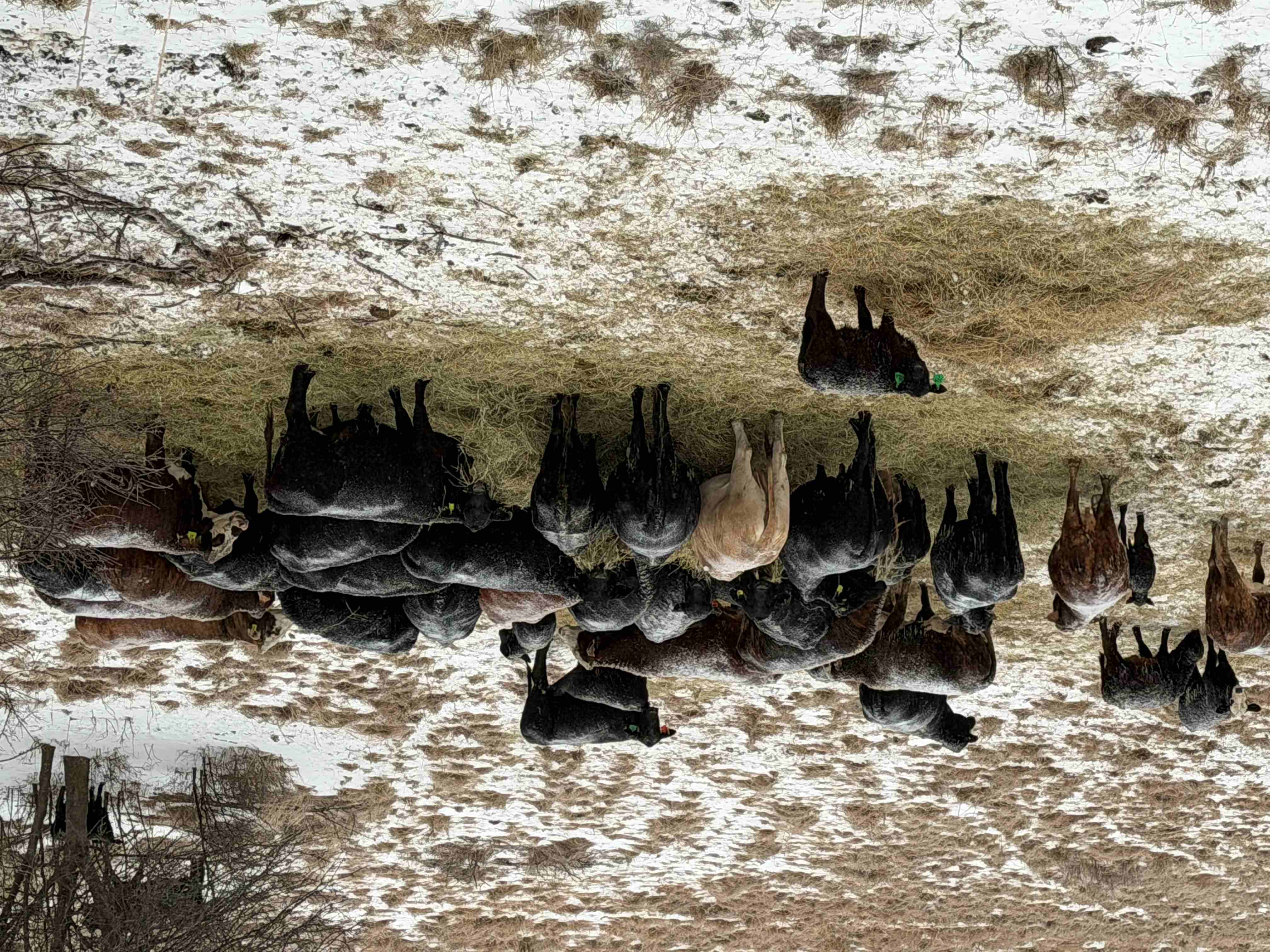
NS: We have 220.
LK: Wow! So, is there still farming going on? Are you still operating as a farm? You mentioned taking one of the roosters into sanctuary out of the farmed herd. What's the relationship between the farming and the sanctuary?
NS: You know, I still say “farming,” but we're... we're kind of a sanctuary. All our chickens are special, precious; every animal here is cared for, loved, and adored. Although we may use some eggs from time to time.
LK: Is that the same for the cattle, these 200 cattle, being in sanctuary now?
NS: Yes, that is how we operate.
LK: Do you produce dairy from them?
NS: No, it’s not dairy [i.e., not a dairy farm]. At one time, we were in the process of participating in marketing the calves. We would have a bull available for breeding the cows, creating a calf, and selling the calf. But no longer, as of now. We're mainly a sanctuary. Yes, it is astounding to have 220 cattle. It’s a challenge, to keep it going.
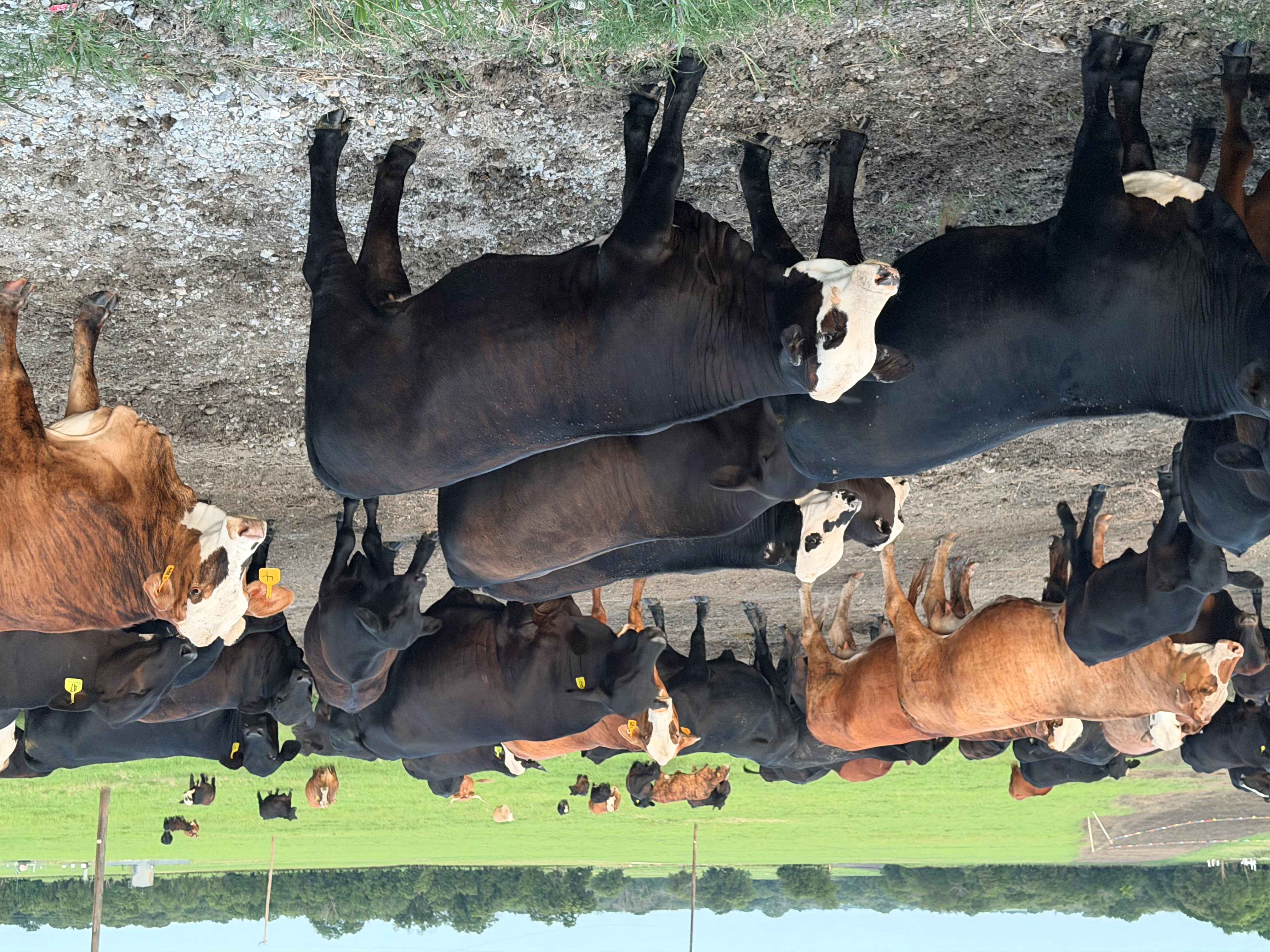
LK: Most of the people I've talked to [for this project] tend to have small-scale sanctuaries. None of them were farmers. Maybe they were just pet owners originally. And then they ended up with, for one reason or another, a few former farm animals in their care. But it sounds like you—and correct me if I’m wrong—but it sounds like what you had was actually a fairly large-scale farming operation that you converted into a sanctuary, or are in the process of transitioning to a sanctuary.
NS: That's right.
LK: That is amazing. That sounds like a huge financial decision.
NS: Yes, absolutely. We have labor. We have electricity. And we have a big house, which just turned one-hundred years old this July, and we like to have the air conditioner pretty low. And, you know, we had to have the air conditioner guy out here yesterday. We have two water wells, one for the main house and one for the irrigation in the yard. Irrigation for the yard is [something else] they're looking at—something is malfunctioning. And, you know, that's an expense.
Or yesterday, I drove to Southlake with a chicken. There’s a specialist [a bird veterinarian], and we're not too close to Southlake. It's a 45-minute to an hour drive from here and an hour back. And on the way back, I picked up crickets because we have fire belly toads, and they love crickets.
LK: That reminds me of the story I shared ahead of time, the story about the king in Jainism who’s confronted by a starving hawk who wants to eat a pigeon. It seems like you might have a wealth of insights into the complexities of that story. Like you just said, there are certain animals in the pet trade that might eat crickets. But, I’m thinking of your larger context here, too—the fact that you transitioned from a farm, which I assume was in the business of slaughtering cattle at some point, right? I bet you must have a lot to say about balancing some of these kinds of moral dilemmas. What would you like to share about that?
NS: Sure, absolutely. A moral dilemma, as you mentioned—slaughtering. We were not actually the ones that would be participating in slaughtering [the animal]. But we would produce the calf, market the calf, and then that calf would go to the feedlot and get heavy, and then they would do that process [of slaughter].
You know, I'm wearing this shirt today—it says, “Walk for Peace.” Sue and I participated with a vegan group for her master’s thesis in Applied Anthropology back in 2018-2019. This is a vegan shirt now, but I do have meat in my diet. And until I got involved with the vegan group and watched Sue, it's not something I thought about, i.e., “Hey, how did this meat get on my plate?”
Somebody’s life—this piece of meat represents a life. A life is gone now. And I'm eating, and in my previous life, I didn't even think of those things. So that's absolutely a part of the moral dilemma that I think a lot of people don't even consider. I'm learning so much from Sue, and I kind of have a lump in my throat thinking about this—you know, it's our wish and our hope that we can have an impact somehow, some way, with God helping us.
Especially with factory farming. You know, maybe we're not going to have everybody stop eating chickens. But there's a way that we can make sure that chicken has a life, that these animals that are being used to feed humans have a life, not where they're sitting in a little cage.
LK: I used to go to a restaurant in Des Moines, where the chef was also a butcher, and I had a long talk with him once. And he explained to me this saying, in the discourse surrounding human treatment of farmed animals— “Every day but the last day,” meaning that every day but the last day of the animal’s life is a good day. Because people on small-scale farms might be raising animals under humane conditions, but on the last day, they will get herded onto cramped trucks and get shipped off to slaughter facilities.
So, this particular butcher was actually lobbying the state government in Iowa to allow mobile slaughtering units. His idea was that a butcher trained in humane methods should come to the small-scale farms, causing less trauma for the animals. And he was going to do the slaughtering himself, to take responsibility for how good or how bad the last day would be.
And I found that incredibly moving, because even though I adhere to a kind of principled veganism, I also recognize all these ambiguous, in-between scenarios.
NS: I see it as a gift, because the old me would eat a hamburger from McDonald's, probably a jillion of them, and not even care where the meat came from. Now, I will have a burger from time to time, but I don't eat meat all the time. I'm more conscious about it, and I have more passion and compassion along those lines.
Something else I'd like to address as it pertains to the dilemma—in addition to all these other animals, I don't think I told you that we have dogs. We have rescue dogs that show up out here.
I believe, and I'm pretty sure, that this is accurate: people dump their dogs out here, and they end up out [on our property]. And so now what am I going to do? Am I going to call the pound? Well, I have a good idea that that dog is going to be euthanized if it goes to the pound. And these are not little cutesy dogs. These are pit bulls, German shepherds.
So, we have this big barn, and it's called the L barn. We had used it for the horse stalls. So, we used that and transformed it into a dog park. These dogs can't all be together at the same time. They've got to be separated because they will attack and really hurt, if not kill, each other.
So, we have a group of three, a group of two, and a group of one, and another group of three. And then, we alternate [between groups in the horse stalls and groups in the open areas].
We’re walking a fine line, because if a dog gets out, it's probably going to go out and kill one of the chickens or peacocks, or we have racing pigeons, as well [i.e., retired racing birds at the sanctuary].
LK: What's the story behind the peacocks?
NS: Sue’s great-grandmother and great-grandfather had peacocks out here, going back to the 1920’s. When I came out here, Sue said, “Neal, I found a place in Weatherford, Texas, that has peacocks.” So, we went down there and picked up several peafowl (hens and peacocks). We have some blue ones, and we have some blue ones with brown shoulder feathers, and blue ones with black shoulder feathers. We have some white ones as well. We have some white ones that have some blue and green in them. We have a hen that we raised in the house. Her name is Popcorn, and she is gray and white.
LK: Where do you see the future of the sanctuary? Like, where do you see you and Sue taking this, maybe, five years from now?
NS: Well, I hope we're able to keep going as we're doing right here, right now, today, in the next five years, and still be able to pay the bills and everything to keep going. For the next five years, hopefully we're able to maintain and, if possible, enhance in some form or fashion.
LK: Wow. Just fascinating. I did not understand the scale of what you and Sue have going on. I did not know it was that large. What's your day-to-day life like here, managing such a large operation?
NS: Well, we open about 8:00 to 8:30, and the staff comes in, and they let the chickens out from the chicken coops to roam and range. And then there are the special-needs chickens that are in the main house, and we take them out to their day coops as well. And then there’s a lot of mopping and cleaning in the house.
And for me, I will be up late many nights—I just graduated from Southern Methodist University in December with a master’s in counseling. And so that's taken a lot of sacrifice and time for me. Also, a big part of my responsibility is paying the bills and filling in when needed. Does somebody need to go get crickets? Does somebody need to go get spring water for the toad tank? Does somebody need to go take a dog, cat, or chicken to the vet? And the main bills we pay monthly include labor, feed, and additionally —we have machines, we have a truck, a work truck, we have a tractor, we have baling equipment, hay equipment, and that stuff is not cheap, and it needs to be maintained. And then I need to remember to take care of myself! I got to get something to eat.
LK: How many staff members do you have?
NS: We have four full-time and then one neighbor, a friend, who just graduated high school. She'll be leaving in a week or two for college. And then we have two other guys who come in on the weekend that are helping build and repair the chicken coops. So probably four full time, two or three part time.
And then we have a big yard! It takes a 72-inch riding mower about 6 hours to make a pass. And that doesn't even get the whole thing.
 So that's kind of my day-to-day. I kind of see myself as filling in. My main duty
is to make life easier for my wife and our workers. I want to make sure they know,
well, y'all work for me, but hey, I work for you. What can I do for you? What do you
need to be done? How can I step in? What can I do to fill in and help? And if I'm
not doing that, I'm probably asleep.
So that's kind of my day-to-day. I kind of see myself as filling in. My main duty
is to make life easier for my wife and our workers. I want to make sure they know,
well, y'all work for me, but hey, I work for you. What can I do for you? What do you
need to be done? How can I step in? What can I do to fill in and help? And if I'm
not doing that, I'm probably asleep.
LK: Is there anything else you’d like to share?
NS: Along the lines of [the dilemmas we face], if a dog gets out, it can get the wildlife. But wildlife [can also harm our animals]. Hawks, snakes, and raccoons all go after the birds’ eggs; raccoons can go after the chickens. Coyotes. It’s common to have a tragedy out here. [You always worry], did somebody forget and leave a door open?
LK: Sometimes I hear people talk about how much better they feel if they just get out in nature. Like, if they just go take a hike, or walk somewhere outside. But, I feel like, every time I go in nature, I see something relatively tragic happening. You know? I don't necessarily find it relaxing.
NS: That's right, that's right. And, so, what is the universe trying to teach me? What am I doing? Well, I've asked myself that question, and I kind of think that my purpose and meaning is, “I'm where I'm supposed to be. I'm learning, and it's hard sometimes, and it's absolutely breathtakingly gorgeous, too.”
LK: We love Sue in the department. When you meet Sue, she clearly has a kind of a moral center. Especially when it comes to her relationship with animals.
NS: I think that's very touching. Yes, she does.