University of North Texas

- About Us
- Undergraduate Studies
- Graduate Studies
- Back
- Graduate Studies
-
- Apply to the Graduate Program in History
- Master's Program
- Online Teachers Program
- PhD Program
- Scholarships, Funding & Financial Aid
- Faculty Concentrations and Categories
- Facilities
- Graduate Course Catalog
- Student Profiles
- Placement
- Graduate Student Handbook
- Graduate Student Forms
- Contact Graduate Program Personnel
- People
- Department
- Events
- Forms
- Donations
- Alumni
UNT Press
Military History and the University of North Texas Press
The University of North Texas Press was founded in 1987 and published its first book in 1989. Our mandate runs parallel to the mandate of any university, which is to teach, support scholarly research, and reach out to the community. We do this by publishing both academic and general interest books useful to students and general readers alike. Everything we publish is peer reviewed and approved by a faculty Editorial Board to ensure the highest publication quality.
Our commitment to military history began in 1993 with the first book in our War and the Southwest Series, created under the editorship of Richard G. Lowe, Gustav L. Seligmann, and Calvin L. Christman. The series includes first-hand accounts of military experiences in the Southwest, histories of warfare involving the people of the Southwest, and analyses of military life in the Southwest itself. We define the Southwest loosely as the states west of the Mississippi River and south of a line from San Francisco to St. Louis, as well as the borderlands straddling the Mexico-United States boundary.
The series covers a broad array of topics and time periods, including works ranging from military life in peacetime to publications on warfare itself. It ranges chronologically from the first contact between Indigenous peoples and Europeans to the present. The series is based on the belief that warfare is an important, if unfortunate, fact of life in human history, and that understanding war is a requirement for a full understanding of the American past. Books published in the War and the Southwest Series include:
- Foo: A Japanese-American Prisoner of the Rising Sun - The Secret Prison Diary of Frank "Foo" Fujita
- Wen Bon: A Naval Air Intelligence Officer behind Japanese Lines in China in WWII
- An Artist at War: The Journal of John Gaitha Browning
- The 56th Evac. Hospital: Letters from a WWII Army Doctor
- CAP Môt: The Story of a Marine Special Forces Unit in Vietnam, 1968-1969
- "Surrounded by Dangers of all Kinds": The Mexican War Letters of Lieutenant Theodore Laidley
- Crossing the Pond: The Native American Effort in World War II
- The Royal Air Force in Texas: Training British Pilots in Terrell during World War II
- Spartan Band: Burnett's 13th Texas Cavalry in the Civil War
- The Seventh Star of the Confederacy: Texas during the Civil War
- Gregory W. Ball, They Called Them Soldier Boys: A Texas Infantry Regiment in World War I (2013)
- Robert W. Lull, Civil War General and Indian Fighter James M. Williams: Leader of the 1st Kansas Colored Volunteer Infantry and the 8th U.S. Cavalry (2013)
- Alan D. Gaff and Dolad H. Gaff, Ordered West: The Civil War Exploits of Charles A. Curtis (2017)
- Alan D. Gaff and Dolad H. Gaff, From the Halls of the Montezumas: Mexican War Dispatches from James L. Freaner, Writing under the Pen Name "Mustang" (2019)
- Lloyd Uglow, A Military History of Texas (2022)
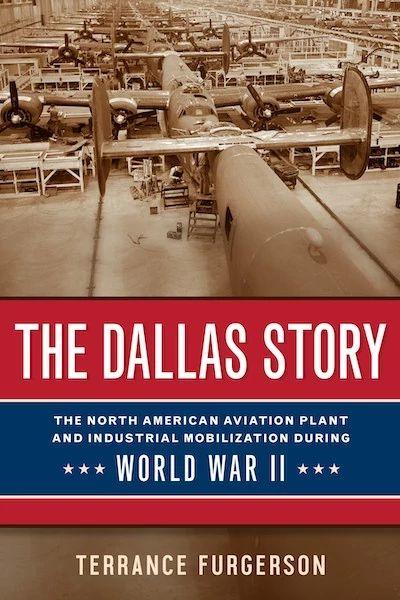
- Terrance Furgerson, The Dallas Story: The North American Aviation Plant and Industrial Mobilization during World War II (2023)
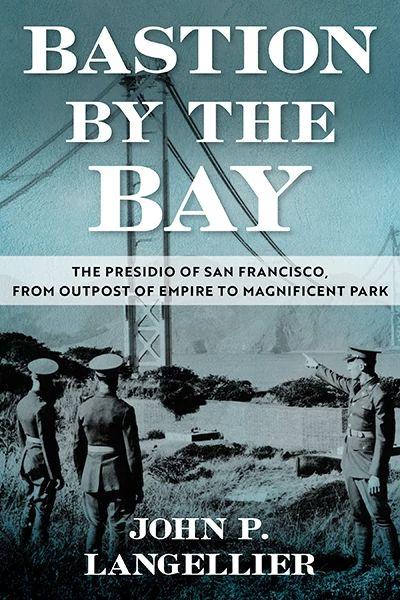
- John P. Langellier, Bastion by the Bay: The Presidio of San Francisco, from Outpost of Empire to Magnificent Park (2026)
In recent years, the UNT Press launched a new series to tie in with the Oral History Program, called North Texas Military Biography and Memoir Series. Publications in this series have been adopted as Selections by the Military Book Club and by professors for course use, and include:
- Rattler One-Seven: A Vietnam Helicopter Pilot's War Story
- With the Possum and the Eagle: The Memoir of a Navigator's War over Germany and Japan
- In Hostile Skies: An American B-24 Pilot in World War II
- Nancy Love and the WASP Ferry Pilots of World War II
- James T. Gillam, Life and Death in the Central Highlands: An American Sergeant in the Vietnam War, 1968-1970 (2010)
- Joann Puffer Kotcher, Donut Dolly: An American Red Cross Girl's War in Vietnam (2017)
- James G. Van Straten, A Different Face of War: Memories of a Medical Service Crops in Vietnam (2018)
- James Carson, Against the Grain: Colonel Henry M. Lazelle and the U.S. Army (2015)
- Fred H. Allison, We Were Going to Win, or Die There: With the Marines at Gudalcanal, Tarawa, and Saipan: Roy H. Elrod (2017)
- Jeffrey L. Patrick, Yesterday There Was Glory: With the 4th Division, A.E.F., in World War I Gerlad Andrew Howell (2017)
- David R. "Buff" Honodel, The Phantom Vietnam War: An F-4 Pilot's Combat over Laos (2018)
- Tom Faulkner and David L. Snead, Flying with the Fifteen Air Force: A B-24 Pilot's Missions from Italy during World War II (2018)
- Kevin P. Gilheany, Minding the Helm: An Unlikely Career in the U.S. Coast Guard (2019)
- Terry L. Thorsen, Phantom in the Sky: A Marine's Back Seat View of the Vietnam War (2019)
- Jeffrey L. Patrick, A Machine-Gunner in France: The Memoirs of Ward Schrantz, 35th Division, 1917-1919 (2019)
- Jonathan Templin Ritter, From Texas to Tinian and Tokyo Bay: The Memoirs of Captain J. R. Ritter, Seabee Commander during the Pacific War, 1942-1945 (2019)
- Georgianne Burlage, Living in the Shadow of a Hell Ship: The Survival Story of U.S. Marine George Burlage, a WWII Prisoner-of-War of the Japanese (2020)
- John P. Langellier, Scouting with the Buffalo Soldiers: Lieutenant Powhatan Clarke, Frederic Remington, and the Tenth U.S. Cavalry in the Southwest (2020)
- Lee Cook, Diry Eddie's War: Based on the World War II DIary of Harry "Dirty Eddie" March, Jr., Pacific Fighter Ace (2021)
- James C. KEarney and William H. Clamurro, Duty to Serve, Duty to Conscience: The Story of Two Conscientious Objector Combat Medics during the Vietnam War (2023)
- James R. Smither, Death and Life in the Big Red One: A Soldier's Wolrd War II Journey from North Africa to Germany (2023)
- Fred H. Allison, My Darling Boys: A Family at War, 1941-1947 (2023)
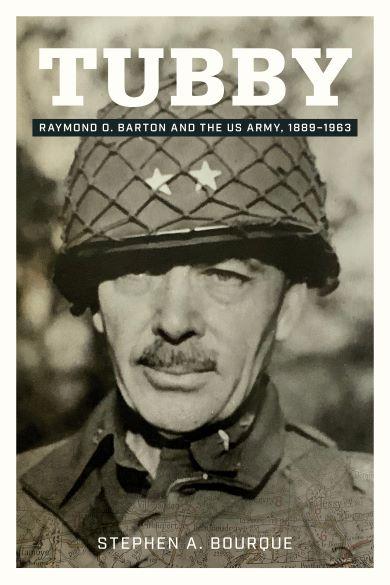
- Stephen Alan Bourque, Tubby: Raymond O. Barton and the US Army, 1889-1963 (2024)
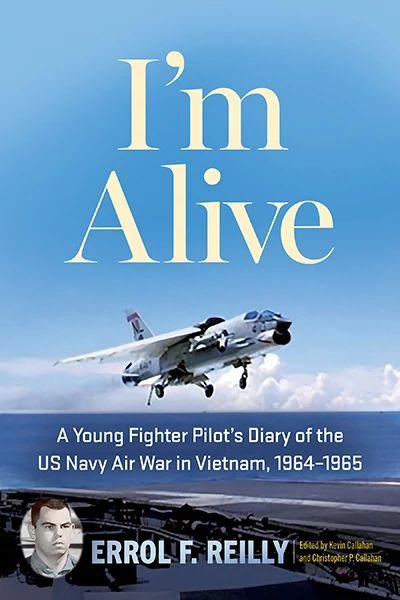
- Reilly Errol, Kevin Callahan, and Chris Callahan, I'm Alive: A Young Fighter Pilot's Diary of the US Navy Air War in Vietnam, 1964-1965 (2026)
UNT Press is the publisher of Warriors and Scholars: A Modern War Reader, a collection of the best presentations by prominent military historians and veterans invited to UNT’s Annual Hurley Military History Seminar.
UNT Press also has an American Military History Series. These titles include:
- Alec Wahlman, Storming the City: U.S. Military Performance in Urban Warfare from World War II to Vietnam (2015)
- Nathan A Jennings, Riding for the Lone Star: Frontier Cavalry and the Texas Way of War, 1822-1865 (2016)
- Jonathan Templin Ritter, Stilwell and Mountbatten in Burma: Allies at War, 1943-1944 (2017)
- Steven Ramold, Obstinate Heroism: The Confederate Surrenders after Appomattox (2020)
- Ted N. Easterling, War in the Villages: The U.S. Marine Corps Combined Action Platoons in the Vietnam War (2021)
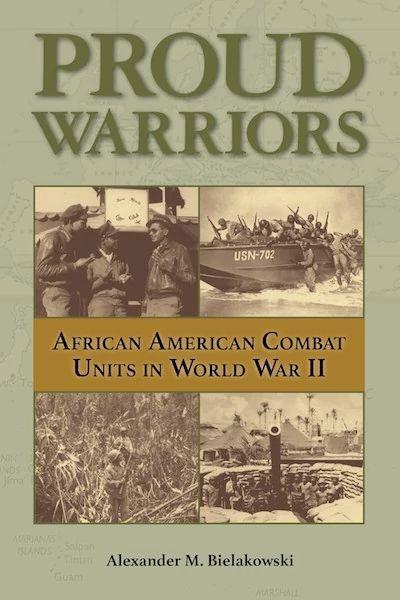
- Alexander M. Bielakowski, Proud Warriors: African American Combat Units in World War II (2021)
- Matt Dietz, Eagles Overhead: The History of US Air Force Forward Air Controllers, from the Meuse-Argonne to Mosul (2023)
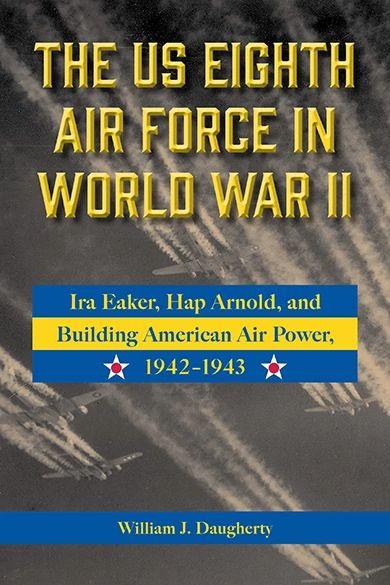
- William J. Daugherty, The US Eight Air Force in World War II: Ira Eaker, Hap Arnold, and Building American Air Power, 1942-1943 (2024)
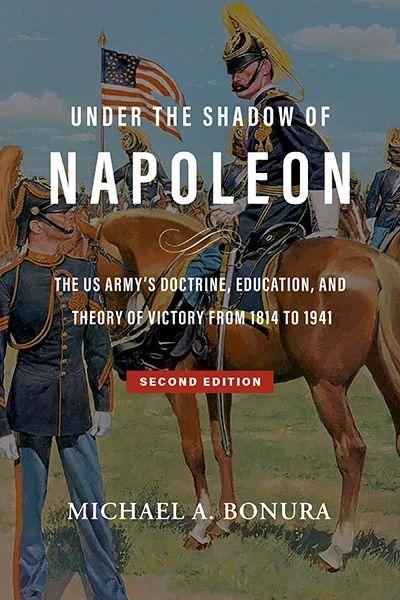
- Michael A. Bonura, Under the Shadow of Napoleon: The US Army's Doctrine, Education, and Theory of Victory from 1814 to 1941 Second Edition (2026)
The University of North Texas Press welcomes queries from authors whose manuscripts fit one of our series or otherwise focus on American military history. Direct all correspondence to Ronald Chrisman, Director at Ronald.chrisman@unt.edu.